Top Auto Repair Tips: Keep Your Vehicle Operating Smoothly and Safely
Keeping up with a vehicle requires attention to detail and a forward-thinking approach. Regular maintenance practices are essential for securing performance and safety. Vehicle owners must remain aware of symptoms of underlying concerns, such as odd noises or cautionary indicators. Understanding basic troubleshooting techniques can enable people to resolve minor concerns. Nevertheless, understanding when to involve a specialist is equally vital. Maintaining this approach significantly influences the lifespan of a vehicle. Which actions deserve the most attention?
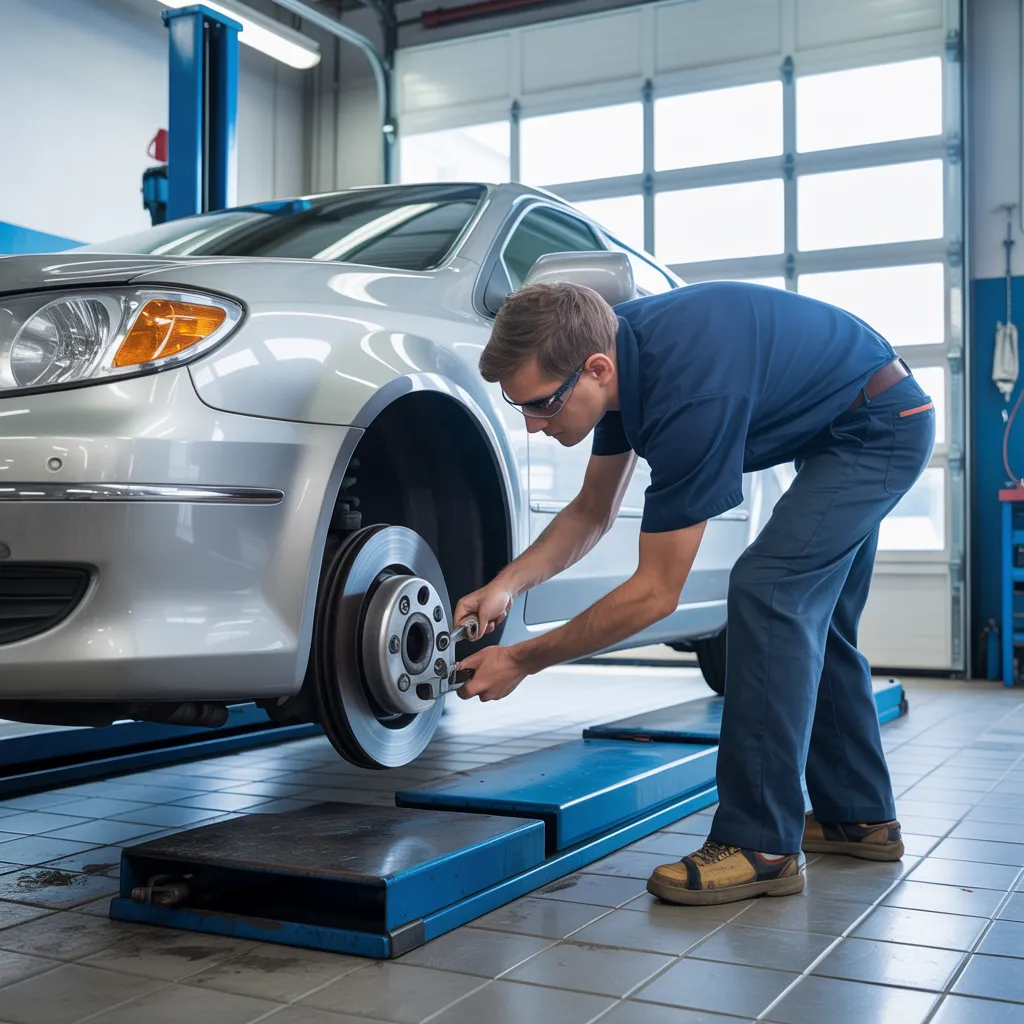
Essential Maintenance Tips for Every Vehicle Owner
Regular maintenance is vital for every vehicle owner to ensure long-term performance and durability. Routine checks not only enhance safety but also improve fuel efficiency. Important responsibilities include routine oil changes, typically every 5,000 to 7,500 miles, according to the vehicle type and oil selected. Tire health is equally important; maintaining proper pressure and rotating tires every 6,000 to 8,000 miles can prevent uneven wear. Moreover, brake evaluations should take place at least once a year to maintain consistent stopping power. Drivers should likewise check fluid levels, such as coolant, brake fluid, and windshield washer fluid, refilling as needed. Furthermore, cleaning the battery terminals and inspecting the battery annually can ward off unforeseen failures. Additionally, a comprehensive check of belts and hoses can help avoid breakdowns, as these elements degrade with time. Following these critical maintenance routines can contribute to a smoother and safer experience on the road.
Detecting Common Automobile Issues: Signs and Symptoms
A large number of car owners often miss early warning signs that point to hidden problems with their vehicles. Recognizing these symptoms can stop small issues from becoming costly repairs. As an example, odd noises such as grinding or squeaking can signify brake wear or other mechanical failures. Moreover, dashboard warning indicators, most notably those associated with engine performance or oil pressure, ought not to be disregarded, as they commonly point to critical concerns that demand urgent action.
Variations in vehicle behavior, such as drifting in one direction or a stiff steering mechanism, may suggest alignment or suspension problems. Additionally, frequent visits to the gas station could suggest fuel system-related issues. Lastly, noticeable puddles under the vehicle are clear indicators of fluid loss, which could compromise both performance and safety. By being observant and responsive to these indicators, drivers can be confident that their vehicles remain in peak condition.
Self-Help Troubleshooting Strategies for Minor Concerns
When encountering common automotive issues, motorists can apply practical DIY diagnostic methods. Key areas to focus on include monitoring the check engine light, monitoring fluid levels, and checking the battery. These measures can assist in detecting issues sooner and help lower overall repair costs.
Diagnosing Your Check Engine Light
The illumination of the check engine light may be unsettling for any vehicle owner, suggesting underlying concerns under the hood. That said, before rushing to a mechanic, there are a number of DIY troubleshooting techniques one can use. First, it is advisable to inspect the gas cap; a defective or loose cap can trigger the light. Next, with the help of an OBD-II diagnostic tool, the owner can retrieve diagnostic trouble codes, providing insight into the specific issue. A thorough visual examination of the engine and surrounding parts, such as hoses and wiring, can uncover apparent issues like separations or fluid leaks. Should the car continue to operate normally with the light on, a system reset could offer a short-term fix, but persistent illumination should prompt further investigation.
Fluid Level Inspections
Following the resolution of possible check engine light problems, vehicle owners ought to recognize the importance of keeping fluid levels at optimal levels. Routine inspections of critical fluids—such as coolant, engine oil, transmission fluid, and brake fluid—can prevent minor issues from escalating into major problems. Drivers should refer to their vehicle's manual to identify the correct fluid types and suggested levels. An easy dipstick check can verify oil levels; if levels are insufficient, refilling is essential. Regarding coolant, a brief visual check of the reservoir can reveal whether additional fluid is required. Brake fluid status can be determined by a visual review, while transmission fluid might necessitate a more thorough examination. Maintaining these fluids at optimal levels ensures seamless performance and improves vehicle safety.
Battery Inspection Advice
Inspecting the battery on a regular basis can prevent unexpected breakdowns and prolong its life. A detailed check involves assessing the battery terminals for corrosion or poor connections, which can interfere with power flow. Cleaning the terminals with a baking soda and water solution can successfully eliminate corrosion. Additionally, checking the battery's voltage with a multimeter is important; a well-functioning battery should register at around 12.6 volts or higher. If the voltage is insufficient, it may need to be charged or replaced. Looking for signs of damage, such as cracks or swelling, is also important, as these problems can signify a failing battery. To conclude, confirming the battery is properly mounted can prevent vibrations that may lead to thorough guide premature wear. Routine inspections support optimal vehicle performance.
When to Get Professional Assistance for Repairs
When an automobile shows unexpected noises or scents, it may signal an underlying issue that requires professional attention. Similarly, warning light indicators on the dashboard cannot be ignored, because they commonly signal significant concerns. Identifying these symptoms promptly can avoid additional harm and ensure driving safety.
Odd Sounds Or Smells
Unusual noises or smells can signal underlying issues in a vehicle, prompting immediate attention. Sounds including grinding, squealing, or clunking may point to problems with the brakes, transmission, or suspension. Similarly, strange smells—like burning rubber, gasoline, or acrid burning—can suggest serious mechanical failures or leaks that require urgent inspection. Disregarding these indicators can cause more extensive damage and costly repair bills. Drivers should not hesitate to consult a professional mechanic if they notice these symptoms. Timely action is essential to maintaining the vehicle's safety and long-term performance. Establishing ongoing communication with a dependable mechanic can assist in spotting potential concerns before they develop further, ultimately preserving both time and money while keeping the vehicle in optimal condition.
Caution Light Indicators
Warning lights on a vehicle's dashboard act as critical signals of possible concerns that could demand professional care. Each light correlates to specific systems, like the engine, braking system, or oil pressure. When a warning indicator lights up, it suggests that a component may be defective or in need of servicing. To illustrate, an engine light could signal numerous concerns, from small inconveniences to serious faults, while a brake warning light suggests immediate action is necessary. Motorists should never overlook these warnings, since addressing them early can avoid severe damage and expensive fixes. Getting expert assistance quickly can ensure safety and extend the life of the vehicle. Routine vehicle inspections and awareness of dashboard warnings are key to preserving optimal performance and road safety.
Important Fluid Checks You Need to Make
How often should vehicle owners check essential fluids? Routine inspections of critical fluids are essential for preserving vehicle performance and safety. Experts recommend inspecting engine oil, coolant, brake fluid, transmission fluid, and power steering fluid at least once a month.
Engine oil is critical for proper lubrication and must be inspected for both quantity and condition. Coolant helps prevent overheating, making its level necessary, especially before long trips. Brake fluid is essential for effective stopping; low levels can indicate leaks or wear. Transmission fluid ensures consistent gear shifts, and similar to the others, must be monitored on a regular basis.
Power steering fluid affects steering precision and must be checked regularly to prevent handling challenges. Ensuring these fluids remain at optimal levels not only enhances vehicle longevity but also supports optimal performance, avoiding expensive repairs in the future. Vehicle owners should prioritize these checks to foster a safe driving experience.
Tire Care: Essential Tips for Safety and Long-Term Performance
Regular checks of car fluids are essential for performance, but tire maintenance is equally important for durability and safety. Proper tire care begins with routinely inspecting tire pressure, as improperly inflated tires can lead to reduced fuel economy and accelerated wear. Adhering to the recommended pressure levels provides optimal road contact, enhancing traction and stability.
Moreover, rotating tires every 5,000 to 7,500 miles encourages uniform wear and maximizes their longevity. Vehicle owners should also evaluate tread depth by using the penny test; should Lincoln's head be visible, replacement is necessary. In addition, alignment and balancing ought to be inspected on a regular basis to reduce uneven wear and optimize handling.
Furthermore, keeping an eye out for bulges, cracks, or foreign objects can avoid blowouts and ensure safe driving conditions. By following these tire maintenance tips, vehicle owners can enhance safety and prolong the life of their tires.
What the Warning Lights on Your Dashboard Actually Mean
Do you ever find yourself curious about what those dashboard warning lights actually mean? These indicators are crucial to understand for keeping your vehicle safe and performing well. Each warning light fulfills a particular role, informing drivers of issues that may require immediate attention. For instance, the check engine light might indicate a range of problems, from minor issues like a loose gas cap to more serious engine malfunctions. The oil pressure warning light indicates that oil levels or pressure are insufficient, requiring prompt action to avoid damaging the engine.
Furthermore, the battery warning light indicates electrical concerns, potentially affecting the vehicle's starting capability. Meanwhile, tire pressure alert lights reveal reduced tire pressure, which can undermine driver safety. Understanding these warnings helps drivers to handle problems in a timely manner, guaranteeing their vehicle operates smoothly and safely on the road. Dismissing these alerts can cause significant repair costs and unsafe situations.
Frequently Asked Questions
How Often Do I Need to Replace My Car Battery?
Car batteries generally require replacement every three to five years, depending on usage and climate. Regular checks can help identify issues early, ensuring reliable performance and avoiding unexpected failures during critical times.
What Are the Benefits of Using Synthetic Oil?
Utilizing synthetic oil provides numerous benefits, including improved engine protection, improved fuel efficiency, better temperature stability, and greater intervals between oil changes. These benefits support overall vehicle performance and longevity, making synthetic oil a preferred option.
How Can I Improve My Vehicle's Fuel Efficiency?
To boost fuel performance, routine upkeep is crucial. Ensuring tires are adequately inflated, utilizing premium engine oil, eliminating surplus load, and keeping a uniform speed while driving can result in significant improvements in a vehicle's fuel economy.
What Should I Do if My Car Overheats?
If a car overheats, the driver should pull over to a safe location, shut off the engine, and wait for it to cool. Inspecting coolant levels and checking for leaks can assist in identifying the source of the overheating.
How Can I Select the Best Mechanic for My Vehicle?
To find the ideal auto mechanic, it is important to look into credentials, client feedback, and referrals. Evaluating pricing and maintaining clear communication about services offered can also help in reaching a well-informed choice for vehicle maintenance.