Get back on the Road With Confidence - Reliable Auto Servicing
Quality auto repair supports safe and strong vehicle operation. A established shop provides complete work, from periodic inspections to necessary fixes. Figuring out when a car needs attention can be overwhelming. Many drivers struggle to locate credible repair professionals. Scheduled maintenance plays an important role in boosting your car's durability. Yet, the issues involving expenses and connecting with technicians can leave one perplexed. How can vehicle owners proceed to maintain their vehicles in proper driving shape?
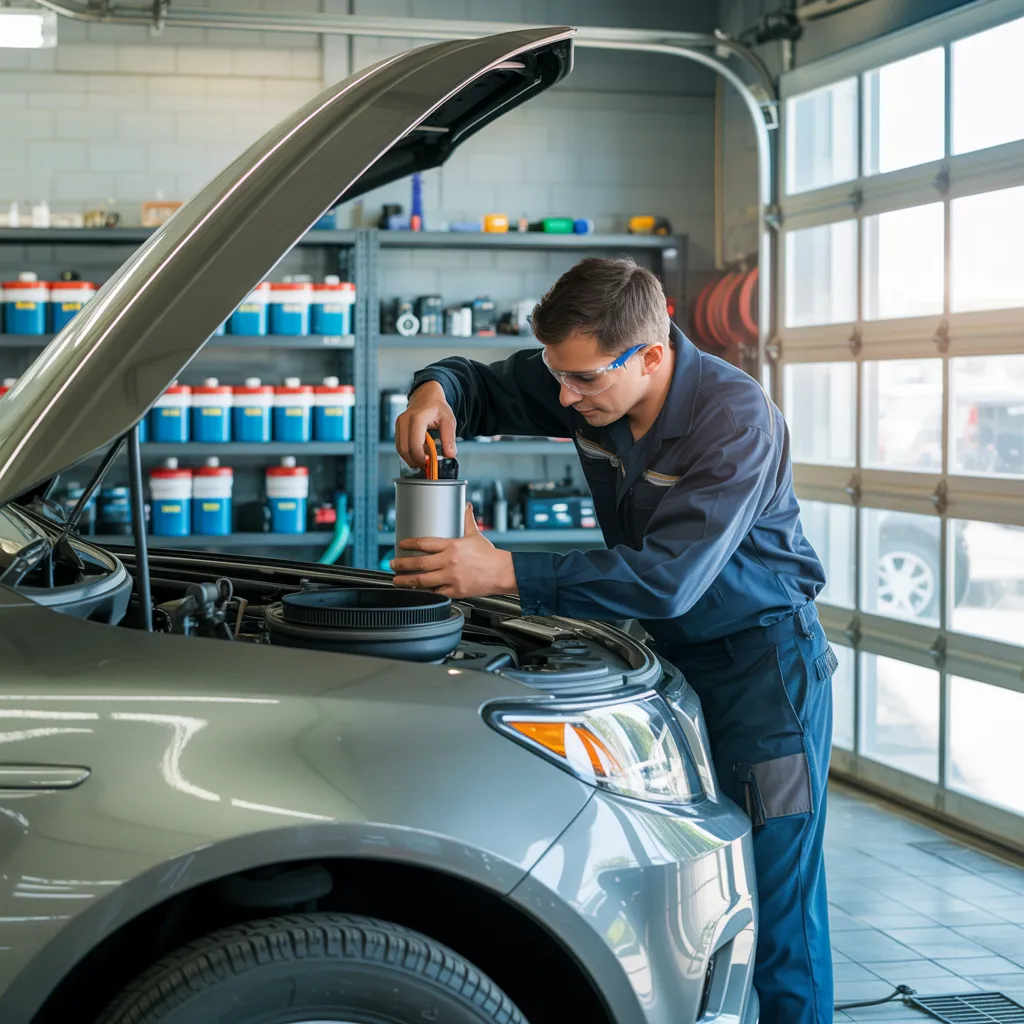
Recognizing When Your Vehicle Needs Maintenance
How can one identify when a vehicle has issues? There are several key indicators that highlight a need for repair. Unusual noises, such as grinding or squeaking, often indicate brake or engine problems. Warning lights on the dashboard, particularly the check engine light, should not be ignored, as they warn of potential problems that demand immediate inspection. Additionally, a reduction in performance, such as sluggish acceleration or difficulty starting, can also point to underlying mechanical issues.
Visual markers, such as fluid leaks or uneven tire wear, are further warnings that upkeep is necessary. If the automobile pulls toward one direction while in motion, this could denote alignment complications or tire problems. Consistently monitoring these elements can help ensure timely servicing, avoiding extensive damage and financial burden in the future. All things considered, being attentive and proactive is essential for maintaining automotive wellness.
How to Find a Reliable Auto Repair Shop
Locating a reliable auto repair shop can be a challenging task for vehicle owners. To begin, people should seek recommendations from associates, family, or coworkers. Own experiences often convey pertinent information into a operation's quality of service. Online reviews and marks on platforms like Yelp or Google can also help gauge customer satisfaction.
Next, checking for certifications and affiliations with recognized industry organizations, such as the Automotive Service Excellence (ASE), can show a shop's adherence to industry excellence. It is wise to visit potential shops for an preliminary discussion, allowing owners to assess neatness, efficiency, and client care.
In addition, securing written estimates before any work starts can eliminate disagreements about costs. Finally, a reliable shop should be upfront about its services and ready to describe repairs. By taking these steps, vehicle owners can increase their chances of finding a dependable auto repair shop.
The Essential Value of Routine Vehicle Maintenance
While many vehicle proprietors may overlook regular maintenance, regular car upkeep is essential for securing a car's endurance and peak performance. Avoiding upkeep can create a string of issues, from small troubles to significant breakdowns. Routine assessments, such as lubricant replacements, tire rotations, and brake inspections, can prevent costly repairs and strengthen driving safety.
Moreover, routine upkeep helps maintain a vehicle's gas mileage, reducing overall expenses. It also maintains the resale value; a properly serviced car is often more attractive to potential customers.
Committing to regular upkeep cultivates a sense of accountability among owners, urging them to stay informed about their vehicle's requirements. By prioritizing regular care, vehicle owners not only protect their investment but also add to overall road safety. Ultimately, consistent vehicle care is a preventive strategy that helps both the owner and the larger community.
Grasping Service Expenses
Understanding repair expenses often appear difficult for vehicle proprietors. Numerous elements contribute toward such expenses, involving hourly labor rates, parts expenses, and the level of difficulty involved in the repair work. Labor costs change markedly according to location and establishment, commonly revealing the mechanic's qualifications and the shop's operating costs. Besides, the range of parts applied—should original equipment manufacturer (OEM) or aftermarket options—may greatly shape the ultimate bill.
Vehicle age and model also factor in; vintage or rare models may need unique components that are more expensive and harder to source. Furthermore, unforeseen problems can occur during repairs, leading to extra expenses that were not originally expected. By acquiring general awareness of these elements, vehicle owners can address repair assessments with greater confidence and make informed decisions regarding their automotive needs.
How to Distinctly Detail Car Problems to Your Mechanic
Communicating car problems effectively to a technician can greatly enhance the diagnosis and fixing process. When explaining problems, car owners should be precise about indicators, such as strange sounds, vibrations, or alert indicators. Offering information on when the problem occurs—whether during acceleration, decelerating, or sitting idle—can also help the mechanic determine the issue.
It is significant to identify any recent changes in driving conduct or maintenance history. Utilizing clear, straightforward language sidesteps vagueness, allowing the service technician to understand the problem more accurately. Owners should abstain from using industry terminology unless they are assured in its meaning.
Additionally, bringing documentation, such as service records or previous repair invoices, can offer context. A detailed explanation not only assists with swift diagnosis but also fosters a collaborative relationship between the car owner and the mechanic, ultimately resulting in effective repairs.
Establishing a Long-Term Relationship With Your Auto Repair Shop
Creating a long-term relationship with an auto repair shop relies on faith and openness. Consistent quality service strengthens this connection, while clear interaction pathways guarantee that clients feel appreciated and heard. Together, these components create a collaboration that benefits both the client and the mechanic.
Develop Faith Through Transparent Engagement
When clients feel educated about the services their vehicles need, trust naturally emerges between them and their auto repair shop. Transparency in communication is key; it allows customers to understand the logic behind advised repairs and maintenance. Auto repair shops that provide clear information, precise estimates, and open dialogues encourage a sense of confidence among their clientele. This openness not only clarifies the repair process but also empowers customers to make educated decisions. Additionally, sharing information about the shop’s qualifications, warranties, and service history improves credibility. By focusing on transparency, auto repair shops can maintain lasting relationships, encouraging repeat business and retention. Ultimately, trust through transparency enables a more satisfying and trustworthy auto repair experience.
Consistent Premium Service
Consistent superior service is the cornerstone of a lasting relationship between customers and their auto repair shop. When customers obtain solid and quick repairs, they are more likely to return for further servicing. This reliability fosters trust, allowing customers to be confident in the expertise of the technicians. Over time, as customers witness the same high standards being upheld, a sense of devotion develops. Quality checks executed routinely and observance to industry standards guarantee that vehicles are not only repaired but also maintained to prevent later problems. Such commitment to excellence creates an setting where customers sense worth, knowing their vehicles are in capable hands. Ultimately, this commitment to consistent quality service strengthens the link between auto repair shops and their clientele.
Open Communication Channels
Effective communication serves as an important bridge between customers and their auto repair shops, reinforcing confidence and understanding. Transparent communication channels generate a team-oriented context where clientele feel valued and aware. When repair shops provide transparent accounts pertaining to services, costs, and time estimates, clientele can make wiser decisions about their vehicles. Periodic communications during repairs can minimize anxiety and develop assurance in the shop's capabilities. In contrast, customers who articulate their concerns and wants contribute to a more tailored experience. This reciprocal dialogue not only solidifies relationships but also fosters loyalty. By prioritizing transparent communication, auto repair shops can develop a reputation for reliability, ensuring that customers return for upcoming requirements, assured in the work they will get.
Commonly Requested Questions
What Must I Consider if My Car Stops Abruptly?
When a car malfunctions abruptly, the driver should carefully move to the side of the road, turn on hazard lights, assess the situation, and call for roadside assistance or a tow service if needed. Staying calm is essential.
How Can I Figure Out if a Mechanic Is Credible?
To determine a mechanic's reliability, one should check reviews, ask for referrals, evaluate certifications, and observe transparency in pricing. A reliable mechanic will communicate clearly and offer thorough descriptions of necessary repairs and services.
Are coverage plans provided on vehicle maintenance?
Most auto repair shops offer warranties on their services and parts, typically spanning 90 days to several years. valuable guide Customers should inquire about specific details and requirements to ensure adequate protection for their repairs.
What Items Should I Keep in My Car for Emergency Situations?
A well-stocked vehicle should include a spare tire, jack, jumper cables, flashlight, first aid kit, basic tools, and tire pressure gauge. These important components help ensure safety and manage minor issues during unexpected emergencies on the road.
What Steps Should I Take to Prepare My Car for Weather Changes?
To make prepared a car for seasonal changes, one should check liquid amounts, inspect tires for wear and inflation, test the battery, change wipers, and make sure lights work correctly for optimal safety and efficiency.